Get Your Free Estimate Today
- Home
- /
- Combustion Appliance Zone Depressurization Testing
Combustion Appliance Zone Depressurization Testing, commonly referred to as CAZ testing, is a critical assessment process for homes and buildings that utilize atmospheric non-sealed combustion appliances, such as gas water heaters, furnaces, and boilers. The primary goal of CAZ testing is to ensure these appliances can operate safely and efficiently under the worst-case scenario of depressurization.
Why is CAZ Testing Important?
Non-sealed combustion appliances rely on the proper drafting of combustion gases to function safely. If the zone becomes depressurized—due to factors like exhaust fans or tight building envelopes—the appliance may not vent exhaust gases effectively. This can lead to dangerous situations, such as back drafting, where harmful combustion gases re-enter the living space.
The Testing Process
During a CAZ test, a qualified technician will simulate worst-case depressurization conditions.
This involves:
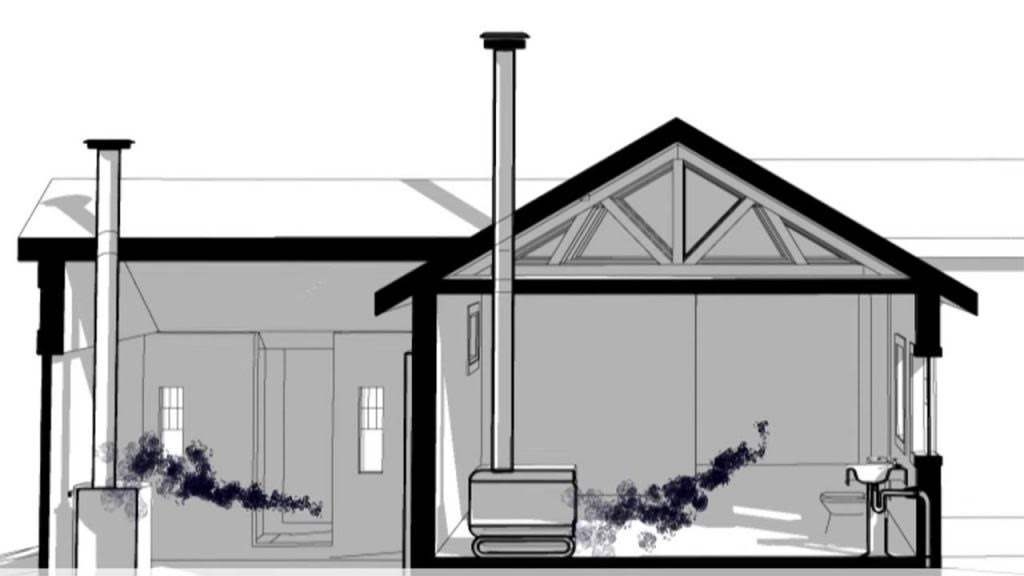
Conducting CAZ testing is essential for safeguarding the health and safety of building occupants. By ensuring that appliances can draft properly, homeowners and builders can prevent the risks associated with back drafting, such as exposure to carbon monoxide and other hazardous gases.